
About Jackie
Founder of Morrow Endeavour Counselling & Psychotherapy
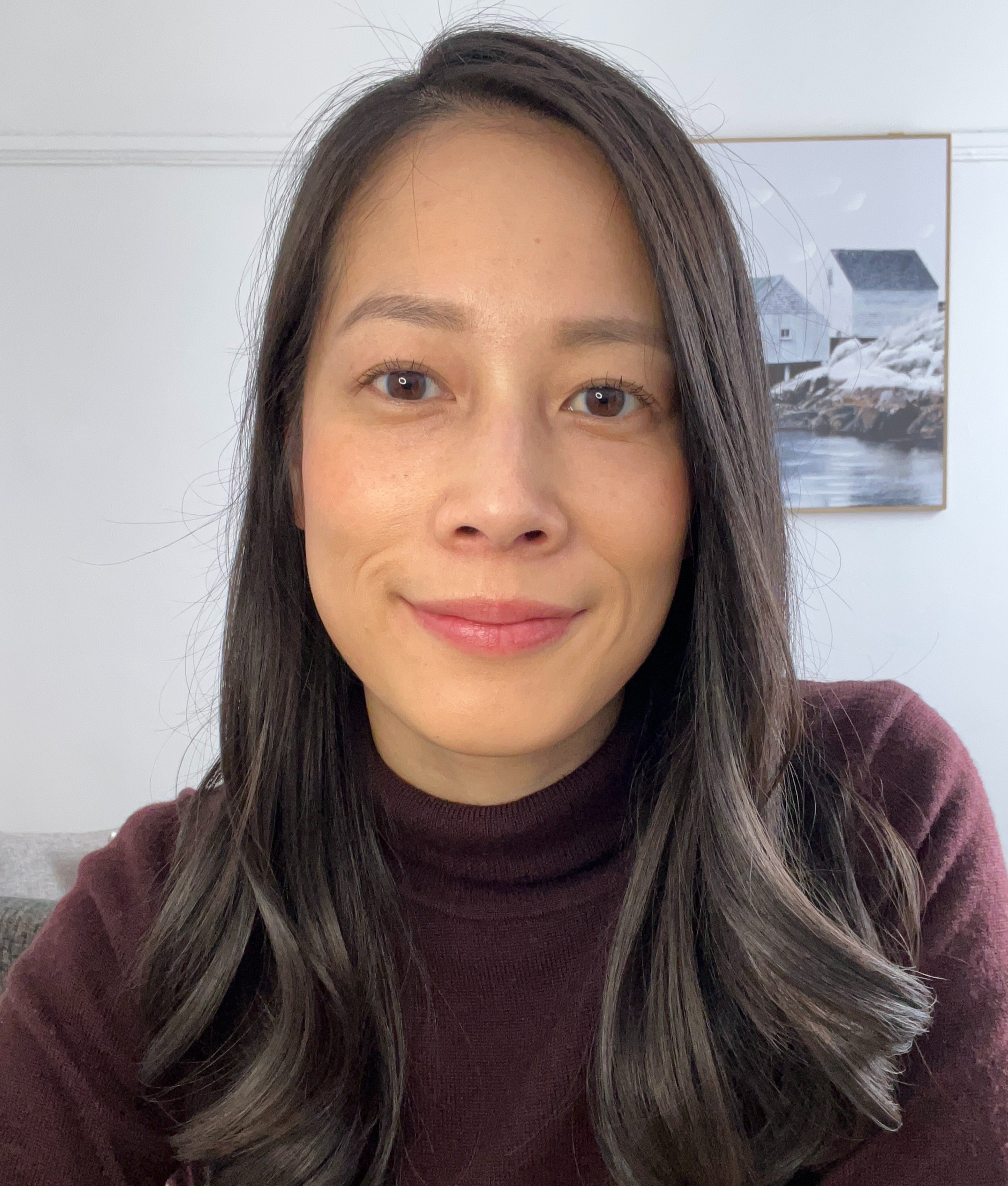
Hi, I’m Jackie.
I’m a Clinical Counsellor and the founder of Morrow Endeavour Counselling & Psychotherapy. I was born and raised in Melbourne, Australia.
With over ten years experience providing counselling in various mental health settings, I’ve discovered my passion in working with RELATIONSHIPS - that is, the relationship we have with ourselves, with others, or with the world around us. Understanding our relationship with ourselves is the catalyst for personal growth and healing. I’m here to help you shift from asking “what's wrong with me?'“ to understanding “what happened to me?”.
I specialise in helping individuals and couples navigate their inner and outer relationships, fostering deeper self-awareness, and supporting them in building healthier connections. My approach is rooted in compassion, empathy, and a commitment to creating a supportive space for all.
My Why
I started Morrow Endeavour Counselling & Psychotherapy because I wanted to build a practice grounded in context, care, and relationships - where people are understood as whole human beings, not just a set of symptoms.
For me, that means recognising that our struggles don’t exist in isolation. They’re shaped by our families, our cultures, our communities, and the experiences we’ve lived through. I’m mindful of how easy it can be in mental health to focus mainly on symptoms or problems, which is why I try to hold the bigger picture of what someone has been carrying - alongside the strengths they’ve already developed.
Morrow Endeavour Counselling & Psychotherapy grew out of a vision for a space where people can bring their whole selves - their pain, but also their resilience, creativity, and complexity - and know that it will be met with care and curiosity. It’s about shifting the lens from ‘what’s wrong with me?’ to ‘what happened to me?’ and ‘what’s possible for me now?’”

Beyond the Therapy Room
Outside of therapy, creativity and connection are big parts of my life. I love dance and other forms of movement, which help me reconnect with myself and bring a sense of playfulness and joy. I also find grounding in simple things like sharing food, finding joy in every day moments, and being in nature.
I’m also a parent, which continually teaches me about patience, repair, and growth. Parenting has been a humbling reminder that relationships - whether with ourselves, our children, or our partners - are always a work in progress.
These parts of my life remind me that healing isn’t only about easing pain; it’s also about reclaiming joy, creativity, and connection. They shape how I show up in therapy: with presence, curiosity, and respect for the many ways people live and make meaning.
A little more about me
I’ve had the opportunity to talk about some of the experiences and questions that have shaped both me personally and my work as a therapist.
Who Do We Become in Order to Belong?
On the Asian Mental Health Podcast by Shapes and Sounds, I talk about growing up Asian Australian and the ways we can learn to adapt ourselves in response to the people and environments around us. We explore code-switching, belonging, internalised racism and shame, and what can happen when we become so attuned to how others see us that we lose touch with parts of ourselves.
I also talk about my own experience of therapy, and how learning to relate differently to shame, emotions and my body has shaped the way I understand and work with clients.
Who Do We Become in Order to Belong?
A conversation with Eunice about the experiences that can bring men into therapy — often through relationship difficulties, breakups, major life changes or feeling stuck, rather than an explicit concern about their mental health.
We talk about the difficulty some men can have putting words to what they’re experiencing, the ways withdrawing or keeping things to themselves can affect relationships, and how therapy can create space to understand patterns that may have been operating for a long time. We also explore the role of culture, responsibility and the expectations men can carry about how they are supposed to cope. Research and clinical writing similarly describe relationships, work/life changes, emotional expression and feeling stuck as common pathways into therapy for men.
-
Eye Movement Desensitisation and Reprocessing (EMDR)
Blue Knot Foundation (Three Phased Approach to Treating Trauma)
Somatic Psychotherapy
Emotion Focused Therapy for Couples (Level 1 & 2)
Bachelor of Counselling
Graduate Diploma in Early Childhood Education
Applied Suicide Skills Intervention & Training
-
Psychotherapy & Counselling Federation of Australia
Blue Knot Foundation Member / Directory Listing
-
WorkSafe Victoria
Victims Services
Recognised provider with selected private health insurers (Medibank, AHM, BUPA & ARHG)